
Electricity is the silent lifeblood of our modern homes, powering everything from our air conditioners on a sweltering Florida day to the devices that keep us connected. But with this convenience comes a responsibility to ensure our systems are safe, efficient, and reliable. Ignoring potential electrical hazards can lead to devastating consequences, including property damage, equipment failure, and even personal injury. This is why understanding and implementing fundamental home electrical safety tips is not just a good idea, it's an essential part of responsible homeownership.
This guide moves beyond generic advice to offer a comprehensive roundup of the most critical electrical safety practices, designed specifically for Florida homeowners. We will cover everything from understanding the vital roles of GFCI and AFCI protection to the proper use of surge protectors in our storm-prone climate. You will learn how to identify hidden dangers in cords and outlets, what to do in an emergency, and why hiring a licensed professional is non-negotiable for certain tasks.
From Sarasota to Fort Myers, these actionable insights will empower you to protect your home, your family, and your peace of mind. Let’s illuminate the path to a safer, more secure home environment.
1. Master Water and Electricity: The Critical Role of GFCI Outlets
Water and electricity are a deadly combination, making Ground Fault Circuit Interrupter (GFCI) outlets a non-negotiable component of modern home electrical safety tips. A GFCI isn't just a special outlet; it's a life-saving device that constantly monitors electrical current. If it detects a dangerous imbalance, such as electricity flowing through water or a person, it shuts off power in a fraction of a second, preventing severe shock or electrocution.
Given Florida's humid climate, swimming pools, and extensive outdoor living, GFCIs are absolutely critical. They are required by code in any area where moisture is present.
Where You Need GFCI Protection
- Bathrooms: All outlets must have GFCI protection.
- Kitchens: Outlets serving countertop surfaces and those near sinks require it.
- Outdoors: Patios, porches, poolside areas, and any exterior outlet need GFCI.
- Garages & Laundry Rooms: Areas with sinks, washing machines, or potential for moisture.
Actionable GFCI Safety Tips
To ensure these devices protect your family, you must be proactive. Test every GFCI outlet monthly by pressing the "TEST" button to cut power, then "RESET" to restore it. If it fails to trip, it needs immediate replacement. For comprehensive safety, consider having a licensed electrician install GFCI circuit breakers in your main panel, protecting entire circuits at once. Always use weatherproof "in-use" covers for all outdoor outlets to shield them from rain.
Key Insight: A functioning GFCI outlet can react up to 40 times faster than a standard circuit breaker, making it the most effective defense against electrical shocks in wet environments. Regular testing is the only way to confirm it’s ready to protect you.
2. Install AFCI Breakers for Fire Prevention
While GFCIs protect people from shock, Arc Fault Circuit Interrupters (AFCIs) protect your home from fire. An arc fault is a dangerous electrical discharge, like a spark, that can occur due to damaged wiring, loose connections, or worn insulation. AFCIs are sophisticated devices that detect these specific arcing patterns and shut off the circuit's power in an instant, long before the heat can ignite surrounding materials.
Given that electrical failures are a leading cause of house fires, AFCIs are a crucial part of modern home electrical safety tips. National Electrical Code (NEC) requires them in nearly all living and sleeping areas of new homes.
Where AFCI Protection is Essential
- Bedrooms: Protects against fires from pinched lamp cords or faulty phone chargers.
- Living & Family Rooms: Guards against arcs from damaged extension cords behind furniture.
- Kitchens & Laundry Rooms: Essential where appliance cords can wear out or connections loosen over time.
- Closets & Hallways: Protects hidden wiring that could be damaged by nails or screws.
Actionable AFCI Safety Tips
The most effective way to protect your home is to have a licensed electrician install AFCI circuit breakers directly into your main electrical panel, which protects the entire circuit. Prioritize installation in bedrooms and living areas, especially in older homes without this protection. Test each AFCI monthly by pressing its dedicated "TEST" button. If an AFCI trips frequently, don't ignore it; call an electrician to find the dangerous arc fault on the circuit. Beyond specific breaker types, understanding broader tips and strategies for preventing electrical fires in your home is vital for safety.
Key Insight: An AFCI can distinguish between a harmless arc, like flipping a light switch, and a dangerous one that could start a fire. This intelligent protection is a proactive defense against one of the most common causes of residential fires, making it a critical upgrade for any home.
3. Never Overload Electrical Circuits
Plugging in multiple devices is a modern necessity, but it’s crucial to respect the limits of your home's electrical system. Circuit overloading is a frequent and dangerous mistake that occurs when you draw more power from a single circuit than it is designed to handle. Every circuit is protected by a breaker rated for a specific amperage, typically 15 or 20 amps. Exceeding this limit causes wires to overheat, which can melt the protective insulation and spark a devastating fire.
This is a common issue in Florida homes, where high-wattage appliances like air conditioners and dehumidifiers run constantly. Recognizing and managing your electrical load is a fundamental aspect of home electrical safety tips. To truly prevent overloading, it's essential to have a clear grasp of your household's total energy demand, starting with understanding appliance wattage.
Common Overload Scenarios
- Kitchens: Running a microwave, coffee maker, and toaster on the same circuit simultaneously.
- Living Rooms: A large-screen TV, sound system, and a portable AC unit all drawing power from one outlet.
- Home Offices: Multiple monitors, a computer, printer, and chargers connected to a single power strip.
- Garages: Using power tools while a second freezer or refrigerator is running on the same circuit.
Actionable Circuit Safety Tips
To prevent a dangerous overload, you must actively manage your electrical consumption. Never daisy-chain power strips by plugging one into another; this is a major fire hazard. Distribute high-demand appliances, like space heaters or hair dryers, across different circuits. For major new appliances like a second refrigerator or a high-powered workshop tool, having a licensed electrician install a dedicated circuit is the safest solution.
Key Insight: A circuit breaker tripping is not an inconvenience; it's a critical safety warning that your circuit is overloaded. Instead of just resetting it, identify and redistribute the devices that caused the trip to prevent wire damage and fire risk.
4. Surge Protectors and Whole-Home Surge Suppression
Power surges, which are brief but powerful voltage spikes, can destroy sensitive electronics in an instant. These surges aren't just caused by lightning; they can originate from utility grid switching or even the cycling of large appliances in your own home. Individual surge protector strips offer localized defense, but for comprehensive protection, a layered approach is one of the most critical home electrical safety tips.
Given Florida's notorious lightning storms, protecting your entire electrical system is a wise investment. A whole-home surge suppressor installed at your main electrical panel acts as the first line of defense, shielding everything from your HVAC system to your smart appliances from damaging voltage spikes.
Layering Your Surge Protection
- Whole-Home System: This is the foundational layer, installed at your service panel to stop external surges before they enter your home's wiring.
- Point-of-Use Protectors: Use surge protector strips for valuable electronics like home entertainment systems, computers, and office equipment.
- High-Value Appliances: Sensitive electronics in modern refrigerators, washers, and dryers also benefit from surge protection, safeguarding their circuit boards.
Actionable Surge Protection Tips
Proper implementation is key to effective surge defense. For complete peace of mind, a licensed electrician should install a whole-home system. Heatwave provides expert whole-house surge protection services on heatwavehvac.com to safeguard your entire home. For plug-in strips, choose models with a high joule rating (1000 or more) and an indicator light to confirm it’s still protecting your devices. Remember that these strips wear out and should be replaced every 3-5 years, or after a major electrical event.
Key Insight: A whole-home surge suppressor protects major, hard-wired appliances like your HVAC and water heater, which cannot be plugged into a simple power strip. This single installation can save you thousands in replacement costs and is an essential safety measure in storm-prone Florida.
5. Inspect Cords, Plugs, and Outlets Regularly
Often, the most dangerous electrical hazards are the ones hiding in plain sight. Regular visual inspections of cords, plugs, and outlets are fundamental home electrical safety tips that can prevent shocks and fires. Over time, wear and tear, heat, and physical damage can compromise these components, creating silent risks. In Florida, factors like high humidity and salt air can accelerate the deterioration of metal contacts and insulation, making frequent checks even more critical.
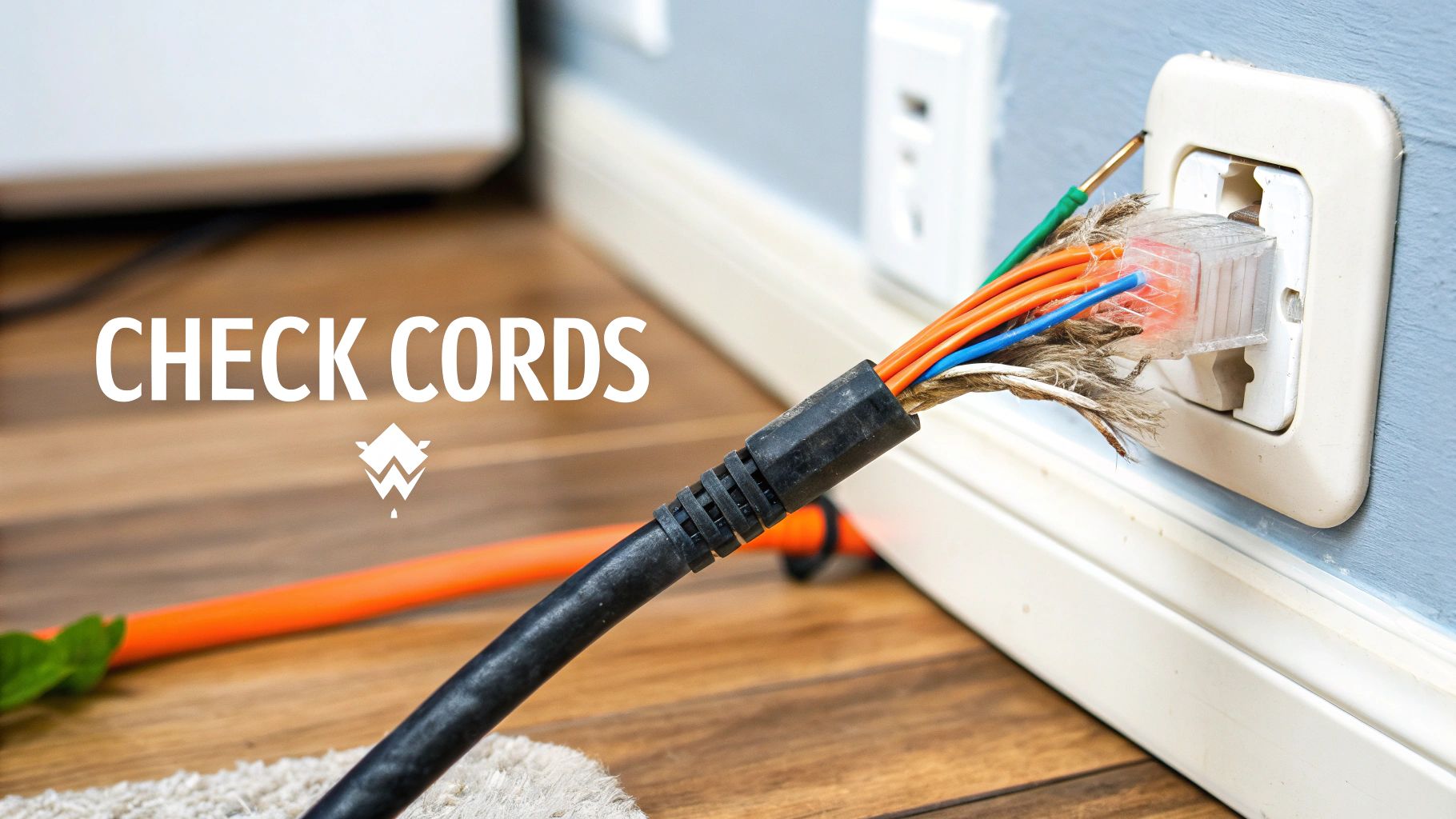
Detecting a frayed cord behind a nightstand or noticing a loose-fitting plug are early warnings. These seemingly small issues can lead to dangerous electrical arcing, which generates intense heat and is a leading cause of electrical fires.
What to Look For During Inspections
- Cords: Check for fraying, cracks, or melted insulation. Ensure they are not pinched under furniture or run under rugs.
- Plugs: Look for bent prongs or damage to the casing. The plug should fit snugly into the outlet.
- Outlets: Watch for scorch marks, black discoloration, or melting. Ensure the outlet is securely mounted to the wall and not loose.
Actionable Inspection Safety Tips
Make visual checks a part of your monthly routine. Carefully examine high-use items like appliance cords and extension cords. If you notice a plug feels warm to the touch, unplug it immediately and discontinue use. Never repair a damaged cord with electrical tape; the only safe solution is a complete replacement. For a thorough evaluation of your entire system, consider scheduling a professional appointment to understand the benefits of a comprehensive electrical safety inspection.
Key Insight: A loose outlet can cause arcing- a phenomenon where electricity jumps between loose connections, creating temperatures hot enough to ignite surrounding wood and insulation. Tightening or replacing a loose outlet is a simple fix that eliminates a significant fire hazard.
6. Install Proper Lighting and Understand Electrical Load Capacity
Proper lighting is a fundamental aspect of home safety, preventing trips and falls, but true electrical safety extends to what you can't see: your home's electrical load capacity. This refers to the total amount of electricity your system can safely handle. Many older Florida homes were built with 100-amp service, which is often insufficient for modern demands like high-efficiency HVAC systems, electric vehicles, and multiple large appliances running simultaneously.
Overloading your system is a significant fire hazard. Frequent breaker trips are a clear warning sign that your home's electrical demands are exceeding its capacity, leading to overheated wiring and potential ignition.
When to Evaluate Your Electrical Load
- Frequent Breaker Trips: If circuits trip when you use a hairdryer or microwave, your system is strained.
- Home Renovations: Adding a room, a new HVAC system, or major appliances requires a capacity check.
- New Technology: Installing a 50-amp circuit for an EV charger or planning for solar panels necessitates an upgrade.
- Flickering Lights: This can indicate an overloaded circuit or a loose connection.
Actionable Capacity and Lighting Tips
To maintain one of the most crucial home electrical safety tips, a proactive approach is best. Have your electrical service professionally evaluated, especially if you live in an older home. When planning upgrades, such as moving from 100-amp to 200-amp service, think about future needs. Ensure all areas, especially stairways and outdoor paths, are well-lit with energy-efficient LED bulbs that add light without significant heat load. Installing dedicated circuits for major appliances like refrigerators and washing machines prevents overloads on general-use circuits.
Key Insight: Your home's main electrical panel is its heart. If it can't handle the load, the entire system is at risk. An electrical service capacity evaluation isn't just for upgrades; it's a critical safety assessment to prevent overloaded circuits and reduce fire risk.
7. Use Proper Extension Cords and Avoid Daisy-Chaining
Extension cords are convenient tools for temporary power, but their misuse is a leading cause of home electrical fires. Treating them as permanent wiring solutions is a dangerous mistake. One of the most hazardous practices is "daisy-chaining," where multiple extension cords or power strips are plugged into one another. This practice dangerously overloads the original outlet and hides the true electrical demand, creating a severe fire risk.
In Florida, where outdoor living and seasonal decorations are common, understanding proper cord usage is a key part of our home electrical safety tips. Using an indoor-rated cord outside will cause its insulation to quickly degrade under the intense UV rays and humidity, exposing live wires.
How to Use Extension Cords Safely
- Avoid Daisy-Chaining: Never plug a power strip or extension cord into another one. Always plug them directly into a permanent wall outlet.
- Match the Cord to the Job: Use the correct gauge (thickness) for the appliance's power draw. High-wattage items like space heaters require heavy-duty, lower-gauge cords.
- Use Outdoor-Rated Cords: For any exterior use, from landscape lighting to power tools, use cords specifically marked "W" for outdoor suitability.
- Inspect Before Use: Check for cracks, frayed insulation, or damaged prongs before every use. Damaged cords must be discarded, not repaired.
Actionable Cord Safety Tips
For a safer home, limit your reliance on extension cords. Never run them under carpets or rugs, through doorways, or across high-traffic areas where they can be damaged. When using high-power appliances like portable air conditioners or freezers, the safest solution is to have a licensed electrician install a dedicated outlet. Unplug all temporary cords when you're finished using them to reduce risk.
Key Insight: An extension cord's gauge is critical. A cord that feels warm or hot to the touch is a clear sign that it is overloaded and its wire gauge is too small for the electrical load. This is an immediate fire hazard that requires unplugging the cord and finding a more appropriate, heavy-duty solution.
8. Hire Licensed Electricians for Installations and Repairs
Attempting DIY electrical work is one of the most dangerous gambles a homeowner can take. A licensed electrician possesses the rigorous training, examination-proven knowledge, and ongoing education required to perform work that is safe, efficient, and compliant with the National Electrical Code. Unlicensed work often leads to hidden fire hazards, serious code violations, and may even void your homeowner's insurance policy, leaving you financially liable for any resulting damage or injuries.
Professionals bring more than just expertise; they bring accountability. A licensed electrician carries the necessary insurance, offers warranties on their work, and uses advanced diagnostic tools to troubleshoot issues accurately, saving you time and preventing future problems. This is a critical component of any comprehensive plan for home electrical safety tips.
Why Professional Expertise is Non-Negotiable
- Complex Installations: Correctly sizing wire for a new HVAC system or performing a main panel upgrade requires precise calculations to prevent overloads and fire risks.
- Safety Device Integrity: Ensuring GFCI and AFCI protection is installed correctly is vital for preventing shocks and electrical fires.
- Troubleshooting: Licensed electricians can quickly diagnose complex issues like flickering lights or intermittent power loss that DIY efforts often misdiagnose.
- Permits and Inspections: Professionals handle the permitting process and ensure all work passes mandatory inspections by local authorities.
Actionable Tips for Hiring an Electrician
To protect your home and family, always verify a contractor's credentials. Before any work begins, ask for their license number and confirm its status with Florida's Department of Business and Professional Regulation. Always request written estimates, verify their insurance coverage, and ask for a warranty on all completed work. For any significant project, from minor fixes to major installations, you need expert electrical repair services you can trust.
Key Insight: A licensed electrician doesn't just install wires; they install peace of mind. Their work is guaranteed to be code-compliant and inspected, which is your ultimate protection against unseen electrical hazards and potential insurance claim denials.
9. Smoke and Carbon Monoxide Detectors: Install and Maintain
While not directly part of your wiring, smoke and carbon monoxide (CO) detectors are critical components of your home electrical safety plan, providing the essential early warning needed to escape hazards like electrical fires or toxic gas leaks. Smoke alarms detect visible or invisible particles of combustion, while CO detectors sense dangerous accumulations of carbon monoxide, an odorless gas produced by faulty fuel-burning appliances.
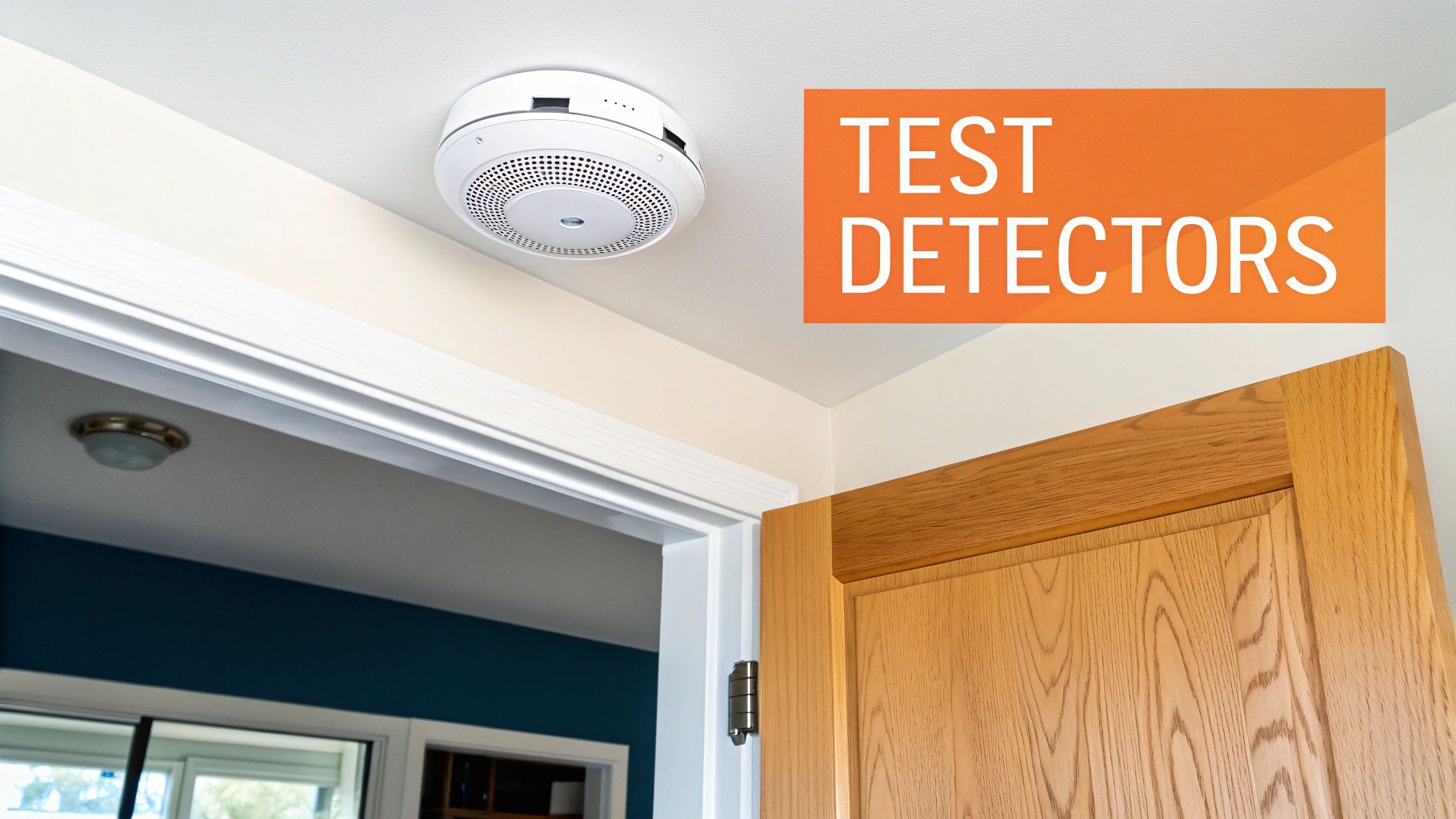
For Florida homes, especially those with gas appliances, attached garages, or that use generators during storm season, these detectors are non-negotiable lifesavers. Hardwired, interconnected units with battery backups are the gold standard, ensuring all alarms sound simultaneously, even if one is triggered.
Where You Need Detector Protection
- Bedrooms: Inside every sleeping room.
- Hallways: Outside each separate sleeping area.
- Every Level: Including basements and finished attics.
- Near Sources: CO detectors should be near attached garages and areas with fuel-burning appliances like furnaces or water heaters.
Actionable Detector Safety Tips
Proactive maintenance is key to ensuring your detectors function when you need them most. Test every unit monthly using the "TEST" button. Change the batteries at least once a year; tying this task to daylight saving time changes is an easy way to remember. For maximum reliability and to meet modern codes, consider professional installation of interconnected, hardwired units. Learn more about professional smoke and carbon monoxide detector installation services from Heatwave to protect your home.
Key Insight: Most smoke and CO detectors have a limited lifespan of 8-10 years. An old, expired detector provides a false sense of security and must be replaced entirely, not just have its batteries changed. Check the manufacturing date on the back of your units today.
10. Understand Grounding and Bonding in Your Electrical System
Grounding is a fundamental safety feature that provides a safe pathway for stray electrical current to travel to the earth, preventing it from passing through you. This critical path allows protective devices like circuit breakers and GFCIs to operate correctly, shutting off power during a fault. Bonding works with grounding by connecting all metallic components of your home's systems, like pipes and HVAC equipment, to prevent dangerous voltage differences between them.
Proper grounding and bonding are silent protectors. They are especially vital in Florida, where lightning strikes and high soil resistivity can challenge an electrical system's safety integrity, making professional verification one of the most important home electrical safety tips.
Key Components of Grounding and Bonding
- Grounding Conductor: The wire that connects your system to a grounding electrode (like a ground rod).
- Three-Prong Outlets: The third, rounded prong is the ground connection, essential for appliance safety.
- Bonding Jumpers: Wires that connect metal water pipes, gas lines, and pool equipment to the main grounding system.
- Pool and Spa Equipment: Proper bonding of all metal components around a pool is a life-saving measure to prevent shock.
Actionable Grounding and Bonding Safety Tips
A properly grounded system is not a DIY project; it requires precise installation and testing. Verify that all your outlets are three-prong, especially in an older home. If you have two-prong outlets, it's a sign your wiring may be ungrounded and requires an urgent upgrade. During any electrical work or a home inspection, ask the electrician to confirm that all metallic systems, including water pipes, gas lines, and pool equipment, are correctly bonded to the main electrical ground. For a complete safety assessment, consider professional grounding system services to test the effectiveness of your entire system.
Key Insight: Grounding protects people and equipment from electrical faults, while bonding protects people from shock by equalizing the electrical potential between different metallic objects. Both must be correctly installed and maintained to ensure a truly safe electrical system.
10-Point Home Electrical Safety Comparison
| Item | Implementation complexity | Resource requirements | Expected outcomes | Ideal use cases | Key advantages |
|---|---|---|---|---|---|
| GFCI Outlets and Water Safety | Low — simple outlet replacement or breaker install; DIY or electrician | Low–moderate cost for outlets or GFCI breakers; possible electrician for retrofit | Rapid interruption of ground-faults; reduced electrocution risk in wet areas | Bathrooms, kitchens, laundry rooms, outdoor/pool areas | Fast trip times; code-required in wet locations; can protect downstream outlets |
| Install AFCI Breakers for Fire Prevention | Medium — panel work; professional installation recommended | Moderate cost breakers and electrician time; panel compatibility checks | Detects/arrests dangerous arcing; significantly lowers electrical fire risk | Bedrooms, living areas, kitchens, renovations/new construction | Circuit-level arc detection (series & parallel); required by NEC in many areas |
| Never Overload Electrical Circuits | Low to high — simple behavioral changes; high if adding circuits or panel upgrade | Low for load management; high for installing new dedicated circuits or panel work | Prevents overheating and fires; fewer nuisance trips | Kitchens, laundry, A/C-heavy homes, older residences | Reduces fire risk and extends system life; improves reliability |
| Surge Protectors and Whole-Home Surge Suppression | Low (power strips) to medium (panel-mounted suppressor) | Low cost for strips; moderate for whole-home suppressor plus electrician | Protects electronics and appliances from voltage spikes; reduces damage and downtime | Storm-prone regions, homes with expensive electronics, HVAC systems | Comprehensive protection option; extends equipment lifespan; lightning mitigation |
| Inspect Cords, Plugs, and Outlets Regularly | Low — visual inspection; homeowner-performed with occasional pro follow-up | Minimal time; low cost replacements; electrician for hidden or serious issues | Early detection of damage; prevents shocks and fires from visible defects | Coastal/older homes, garages, behind appliances | Inexpensive preventive measure; catches problems before escalation |
| Install Proper Lighting and Understand Electrical Load Capacity | Medium to high — load calculations and possible service/panel upgrades | Professional assessment; potentially costly panel/service upgrades and wiring | Adequate capacity, fewer breaker trips, improved safety and security | Older homes, homes adding HVAC/EV/solar, areas needing better lighting | Supports modern electrical demands; plans for future loads; reduces disruptions |
| Use Proper Extension Cords and Avoid Daisy-Chaining | Low — select correct gauge and rating; change habits | Low cost for proper cords; higher if installing dedicated outlets | Safer temporary power use; reduced overload and fire risk | Temporary setups, outdoor equipment, short-term power needs | Prevents hidden overloads; reduces heat buildup when used correctly |
| Hire Licensed Electricians for Installations and Repairs | N/A for homeowner — involves selecting a professional | Higher cost for professional labor; verification of license/insurance | Code-compliant, safe installations; warranty and insurance protection | Panel upgrades, complex installs, code-required work | Ensures safety, compliance, diagnostics, and legal protection |
| Smoke and Carbon Monoxide Detectors: Install and Maintain | Low (battery units) to medium (hardwired with interconnect) | Low device cost; moderate for hardwired interconnected systems and electrician | Early warning of fires and CO exposure; life-saving alerts | All homes, especially with gas appliances or attached garages | Inexpensive life safety; required by code; smart options available |
| Understand Grounding and Bonding in Your Electrical System | Medium to high — testing and possible retrofits; professional required | Professional testing equipment; materials for ground rods and bonding; potential excavation | Proper fault clearing, reduced shock risk, correct operation of protective devices | Older homes, coastal/sandy soil areas, pools/spas, homes with legacy wiring | Essential for safety and device performance; prevents dangerous potential differences |
Your Partner in Electrical Safety and Peace of Mind
Navigating the intricate web of your home’s electrical system can seem overwhelming, but taking proactive steps is the most effective way to ensure safety and prevent disaster. Throughout this guide, we've explored the foundational pillars of home electrical safety, moving beyond generic advice to provide you with a detailed, actionable roadmap. By now, you understand that safety isn't just about avoiding obvious hazards; it’s a comprehensive strategy built on awareness, prevention, and professional partnership.
Recapping Your Electrical Safety Toolkit
The journey to a safer home begins with the practical knowledge you’ve gained. We’ve highlighted how crucial modern safety devices are, with GFCI outlets acting as your first line of defense against shock in moisture-prone areas and AFCI breakers serving as vigilant guardians against the arc faults that cause electrical fires. You’ve also learned that respecting your system's capacity by never overloading circuits and using proper extension cords are non-negotiable daily habits, not just occasional suggestions.
Remember the importance of routine vigilance. Regularly inspecting cords, plugs, and outlets for signs of wear and tear can stop a problem before it starts. Similarly, understanding the function of grounding and bonding and ensuring your smoke and carbon monoxide detectors are always operational are fundamental layers of protection for your family. These are some of the most vital home electrical safety tips you can implement immediately.
From Knowledge to Action: Your Next Steps
Mastering these concepts transforms you from a passive homeowner into an empowered guardian of your home’s well-being. The true value lies not just in recognizing a frayed cord or a frequently tripping breaker, but in understanding the why behind each safety measure. This deeper comprehension allows you to build a resilient and secure electrical environment, protecting your property, your investments, and, most importantly, the people you love. You are now equipped to make informed decisions, whether that involves upgrading to whole-home surge protection or simply choosing the right wattage for a light fixture.
While your newfound knowledge is a powerful tool, some tasks are best left to those with extensive training, specialized equipment, and a deep understanding of Florida’s specific electrical codes. Recognizing when to call a professional is perhaps the most critical safety tip of all. For complex installations, troubleshooting, or comprehensive system evaluations, partnering with a licensed electrician isn't just a good idea; it's essential for guaranteeing safety and compliance.
Your home is your sanctuary, and ensuring its electrical integrity provides a unique and invaluable peace of mind. By applying these home electrical safety tips and working with trusted experts, you are making a lasting investment in the security and comfort of your home for years to come.
Don't leave your family's safety to chance. For a comprehensive electrical safety inspection, a panel upgrade, or any electrical concern, trust the licensed and insured experts at Heatwave Air Conditioning, Plumbing, & Electric. Schedule your service today with Heatwave Air Conditioning, Plumbing, & Electric and ensure your home's electrical system is in the safest hands in Tampa Bay and Southwest Florida.