

Your air conditioner is an essential part of keeping your home comfortable, especially during the hot summer months. However, like any other appliance, it can experience electrical issues that affect its performance. Recognizing and addressing these issues early can save you from more significant problems down the line. In this blog, we’ll discuss common electrical issues in air conditioners, how to troubleshoot and fix them, and when to call a professional.
Common Electrical Issues in Air Conditioners
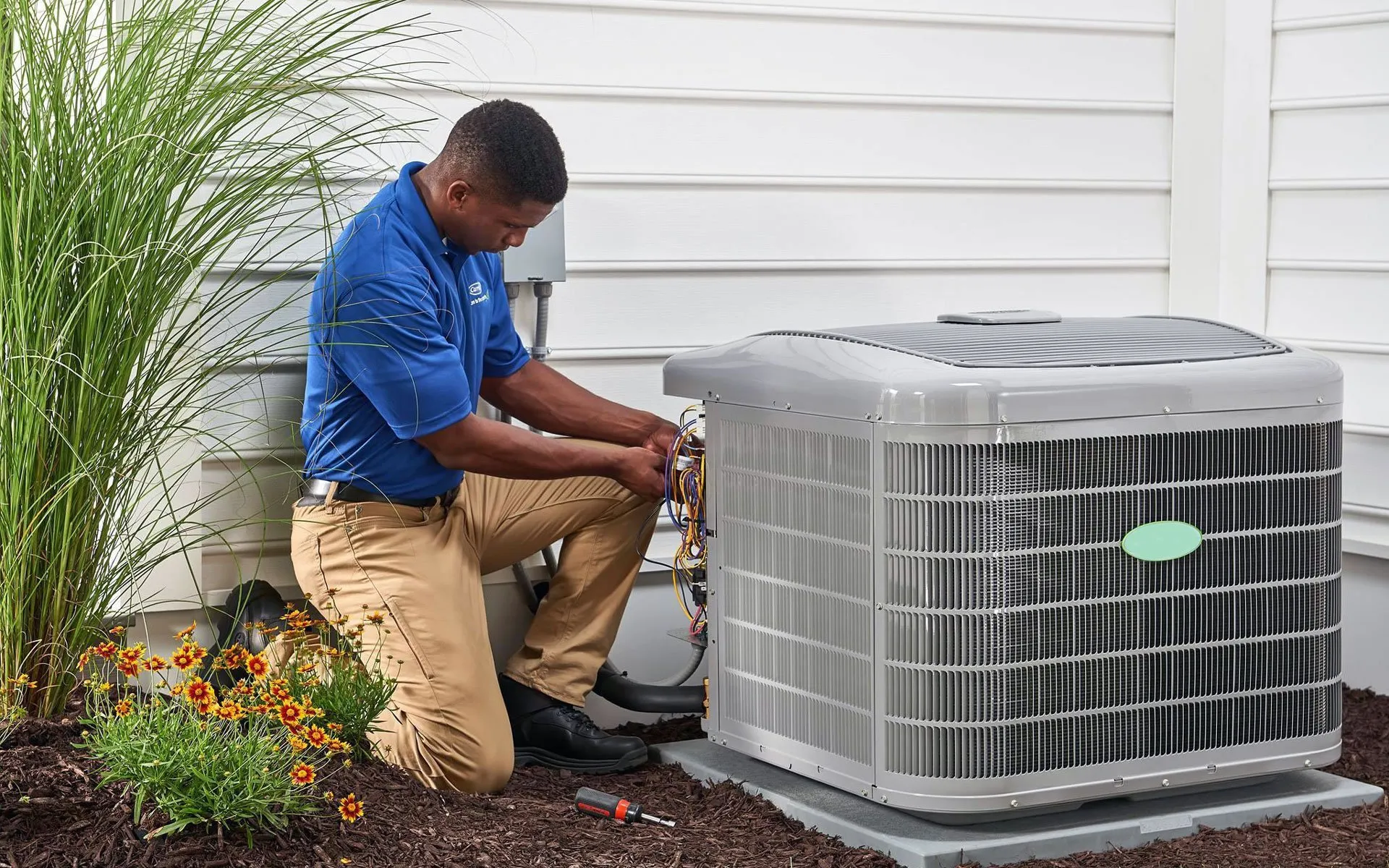
Air conditioners rely on a complex electrical system to function correctly. When something goes wrong electrically, it can lead to inefficiency or even complete failure. Here are some common electrical issues you might encounter with your air conditioner:
1. Faulty Wiring
Faulty wiring can result in inconsistent power flow, leading to poor performance or short cycling. This can be due to aging wires, poor installation, or damage from pests.
2. Capacitor Problems
Capacitors are crucial components that provide the initial jolt of energy to start the compressor and fans. If a capacitor is failing, your AC might struggle to start or have trouble staying on.
3. Circuit Breaker Tripping
Frequent tripping of the circuit breaker can indicate an overloaded circuit, short circuit, or a problem with the breaker itself. This prevents the AC from running and can be a sign of a more serious electrical issue.
4. Electrical Component Failures
Various electrical components, such as relays, contactors, and sensors, can fail over time due to wear and tear. These failures can prevent the AC from operating correctly.
Signs Your Air Conditioner Has Electrical Issues
Identifying electrical problems early can prevent more severe damage and costly repairs. Here are some signs that your air conditioner might be experiencing electrical issues:
1. Unusual Sounds
Humming, buzzing, or clicking noises can indicate electrical issues. These sounds might be due to failing capacitors, faulty wiring, or other electrical components.
2. Frequent Cycling On and Off
If your air conditioner is turning on and off more frequently than usual, it might be due to electrical issues such as faulty wiring or a failing capacitor.
3. Inconsistent Cooling
Electrical problems can lead to inconsistent cooling, where some rooms are cooler than others or the air conditioner struggles to maintain the set temperature.
4. Increased Energy Bills
A sudden spike in your energy bills without a corresponding increase in usage can indicate that your air conditioner is working harder than necessary due to electrical issues.
Noticing these signs early can help you address problems before they escalate. Contact us for a professional diagnosis and repair.
How to Troubleshoot and Fix Electrical Issues
While some electrical issues require professional attention, there are a few troubleshooting steps you can take to address minor problems. Here are some tips to help you troubleshoot and fix common electrical issues with your air conditioner:
1. Checking and Replacing Fuses
If your air conditioner isn’t working at all, the first thing to check is the fuse. Locate the fuse box and inspect the fuses. If any are blown, replace them with new ones of the same rating. This might solve the problem if the issue is a blown fuse.
2. Inspecting and Tightening Wiring Connections
Loose or disconnected wires can cause electrical issues. Turn off the power to your air conditioner and inspect the wiring connections. Look for any loose, frayed, or disconnected wires and tighten or reconnect them as needed.
3. Testing and Replacing Capacitors
Capacitors can wear out over time and cause your air conditioner to malfunction. Using a multimeter, test the capacitors to see if they are holding a charge. If they are not, you will need to replace them. Make sure to use capacitors that match the specifications of your air conditioner.
4. Resetting the Circuit Breaker
If your circuit breaker trips frequently, reset it by switching it off and then back on. If it continues to trip, there may be a more serious issue that requires professional attention. This could indicate an overloaded circuit or a short circuit within the air conditioner.
For more complex issues or if these steps do not resolve the problem, it’s best to contact a professional. You can reach out to us for expert assistance.
When to Call a Professional
While troubleshooting minor electrical issues can be a DIY task, certain situations require the expertise of a professional. Here are some scenarios where it’s best to call in the pros:
1. Persistent Issues
If your air conditioner continues to experience electrical problems despite your troubleshooting efforts, it’s time to seek professional help. Persistent issues might indicate a deeper, more complex problem that only a trained technician can diagnose and repair.
2. Complex Electrical Repairs
Handling electrical components can be dangerous if you’re not experienced. For complex repairs, such as rewiring or replacing major components like the compressor, it’s safer to have a professional handle the job. They have the necessary tools and expertise to perform the work safely and effectively.
3. Safety Concerns
If you notice signs of electrical hazards, such as burning smells, sparks, or scorch marks around electrical components, shut off your air conditioner immediately and contact a professional. These signs indicate a significant safety risk that requires immediate attention.
4. Preventative Maintenance
Regular maintenance by a professional can help prevent electrical issues before they start. Technicians can identify potential problems early and perform necessary repairs or adjustments to keep your air conditioner running smoothly.
At Heatwave Heating, Cooling, Plumbing & Electric, our skilled technicians are ready to help you with any electrical issues your air conditioner might have. Visit our AC repair page or contact us to schedule a service.
Preventative Maintenance Tips
Preventative maintenance is key to keeping your air conditioner running efficiently and avoiding electrical issues. Here are some tips to ensure your system stays in top shape:
1. Regular Inspections and Tune-Ups
Schedule regular inspections and tune-ups with a professional technician. They can check for any electrical issues, clean components, and ensure everything is functioning correctly. Regular maintenance can catch potential problems before they become major issues.
2. Replace Filters Regularly
Dirty or clogged filters can cause your air conditioner to work harder, potentially leading to electrical strain. Replace your filters every 1-3 months to maintain optimal airflow and efficiency.
3. Keep the Area Around the Unit Clean
Ensure the area around your outdoor unit is free from debris, plants, and other obstructions. This helps maintain proper airflow and reduces the risk of electrical components overheating.
4. Check the Thermostat
Make sure your thermostat is working correctly and set to the appropriate temperature. A malfunctioning thermostat can cause your air conditioner to cycle on and off frequently, putting unnecessary strain on the electrical system.
5. Address Minor Issues Promptly
If you notice any signs of electrical issues, such as unusual noises or inconsistent cooling, address them promptly. Small problems can quickly escalate into larger, more costly repairs if left unattended.
By following these preventative maintenance tips, you can extend the life of your air conditioner and ensure it runs efficiently. For professional maintenance services, visit our locations in St. Petersburg, Port Charlotte, or Fort Myers.
Conclusion
Electrical issues in your air conditioner can lead to inefficient performance, higher energy bills, and even complete system failure. By understanding common electrical problems, recognizing the signs of trouble, and taking steps to troubleshoot and fix minor issues, you can keep your air conditioner running smoothly. However, for persistent or complex issues, it’s crucial to call a professional to ensure safe and effective repairs.
Regular preventative maintenance is essential to avoid electrical problems and extend the life of your air conditioner. Whether you need an inspection, tune-up, or repair, the experts at Heatwave Heating, Cooling, Plumbing & Electric are here to help. Don’t let electrical issues disrupt your comfort—contact us today for professional assistance.
For more information on our services, visit our AC repair page or check out our locations in St. Petersburg, Port Charlotte, and Fort Myers.