

Electrical outlets are essential components of our daily lives, powering everything from kitchen appliances to electronic devices. When an outlet suddenly stops working, it can be a major inconvenience and a potential safety hazard. Understanding how to troubleshoot and fix a non-working electrical outlet can save you time and restore your home’s functionality. In this guide, we will walk you through the steps to diagnose and fix common issues with electrical outlets, ensuring safety and efficiency.
Safety First: Precautions to Take
Before attempting any electrical repairs, safety should be your top priority. Here are some essential precautions to take:
- Turn Off the Power: Locate your home’s main electrical panel and switch off the circuit breaker corresponding to the outlet you plan to inspect. Double-check that the power is off by testing the outlet with a voltage tester.
- Use the Right Tools: Ensure you have the necessary tools, such as a voltage tester, screwdriver, wire stripper, and needle-nose pliers. Having the right equipment will make the process smoother and safer.
- Wear Protective Gear: Use insulated gloves and wear safety glasses to protect yourself from electrical shocks and debris.
- Work in a Well-Lit Area: Proper lighting helps you see what you’re doing and reduces the risk of accidents.
Taking these precautions will help you stay safe while diagnosing and fixing a non-working electrical outlet.
Step-by-Step Troubleshooting Guide
When an electrical outlet stops working, following a systematic troubleshooting process can help identify and resolve the issue. Here’s a step-by-step guide:
- Check for Simple Solutions
- Inspect the Outlet: Look for obvious signs of damage, such as burn marks or a loose faceplate. If you notice any damage, it’s likely the outlet needs to be replaced.
- Check the Switch: Ensure the outlet isn’t controlled by a wall switch that might be turned off. Sometimes outlets are connected to switches, especially in older homes.
- Test Other Outlets
- Check Nearby Outlets: Plug a device into nearby outlets to see if they are working. If multiple outlets are not working, the problem might be with the circuit.
- Reset GFCI Outlets
- Identify GFCI Outlets: Ground Fault Circuit Interrupter (GFCI) outlets have “Test” and “Reset” buttons. These are commonly found in kitchens, bathrooms, and outdoor areas.
- Reset the GFCI: Press the “Reset” button on the GFCI outlet. If it clicks and the outlet starts working, the issue is resolved.
- Inspect the Circuit Breaker
- Locate the Breaker Panel: Find your home’s electrical panel and open it.
- Check the Breaker: Look for any tripped breakers (they will be in the middle position). Reset the breaker by flipping it off and then on again.
- Test the Outlet with a Multimeter
- Use a Multimeter: Set your multimeter to measure voltage. Insert the probes into the slots of the outlet. A working outlet typically shows a reading of around 120 volts.
- No Voltage Reading: If there’s no voltage, the issue might be with the wiring or the outlet itself.
By following these steps, you can identify whether the problem lies with the outlet, the circuit, or something more complex.
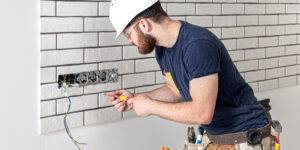
Common Causes and Fixes
Once you’ve identified that an electrical outlet isn’t working, the next step is to pinpoint the cause and implement the appropriate fix. Here are some common issues and how to address them:
- Loose or Disconnected Wires
- Identification: Remove the outlet cover and carefully pull out the outlet from the wall box. Look for loose or disconnected wires.
- Fix: If you find any loose wires, reattach them securely to the outlet terminals. Ensure all connections are tight and the wires are properly stripped.
- Faulty Outlet
- Identification: If the outlet appears damaged or worn out, it might need to be replaced.
- Fix: Turn off the power and remove the outlet. Install a new outlet by connecting the wires to the corresponding terminals (black wire to the brass terminal, white wire to the silver terminal, and green or bare wire to the ground terminal). Secure the outlet back into the wall box and replace the cover.
- Tripped Circuit Breaker or Blown Fuse
- Identification: A tripped breaker or blown fuse can cut off power to an outlet.
- Fix: Locate your electrical panel and reset the tripped breaker by flipping it off and then back on. If a fuse is blown, replace it with one of the same rating.
- Issues with the Wiring
- Identification: If you suspect the wiring in the walls is faulty or outdated, it could be causing the outlet to malfunction.
- Fix: Wiring issues often require professional intervention. If you are not comfortable working with electrical wiring, contact a licensed electrician. Our expert wiring and rewiring services ensure safety and efficiency.
By addressing these common issues, you can often restore functionality to a non-working electrical outlet. However, some problems may require professional help to ensure safety and proper resolution.

When to Call a Professional
While many electrical outlet issues can be resolved with basic troubleshooting, some situations necessitate the expertise of a licensed electrician. Here are instances when you should consider calling a professional:
- Persistent Issues
- If you’ve tried the basic troubleshooting steps and the outlet still isn’t working, it’s time to call a professional. Persistent issues can indicate deeper electrical problems that require specialized tools and knowledge to diagnose and fix.
- Complex Wiring Problems
- If you suspect that the wiring behind the outlet is faulty or outdated, it’s best to consult an electrician. Complex wiring issues can be hazardous and are best handled by experts. Our wiring and rewiring services can help ensure your home’s electrical system is safe and up to code.
- Frequent Circuit Breaker Trips
- If your circuit breaker trips frequently, it could be a sign of an overloaded circuit or a short circuit. An electrician can diagnose the cause and recommend solutions, such as adding new circuits or upgrading your electrical panel. Learn more about our comprehensive electrical panel services.
- Burn Marks or Burning Smell
- If you notice burn marks on the outlet or detect a burning smell, turn off the power immediately and call an electrician. These are signs of a serious electrical problem that could lead to a fire if not addressed promptly.
- Upgrading Outlets for Safety
- If your home has old, ungrounded outlets (two-prong), it’s a good idea to upgrade to modern, grounded (three-prong) outlets for safety. Our grounding system services ensure your electrical system is properly grounded, enhancing safety.
Hiring a professional ensures that electrical issues are resolved safely and effectively, preventing potential hazards and ensuring compliance with electrical codes. Our team at Heatwave Heating, Cooling, Plumbing & Electric is ready to assist with all your electrical needs.
Conclusion
Dealing with a non-working electrical outlet can be frustrating, but with the right troubleshooting steps and safety precautions, many issues can be resolved quickly. Remember to always prioritize safety by turning off the power before inspecting or repairing outlets. Simple fixes like resetting a GFCI outlet or checking the circuit breaker can often restore functionality. However, for persistent issues, complex wiring problems, or any signs of damage, it’s best to call a professional.
At Heatwave Heating, Cooling, Plumbing & Electric, we offer comprehensive electrical services to keep your home safe and functional. Whether you need expert electrical repair services, comprehensive electrical safety inspections, or help with wiring and rewiring, our team is here to help.
For professional electrical services, visit our website or contact us directly. Ensure your home’s electrical system is safe and efficient with our expert assistance.
One response to “Troubleshooting and Fixing a Non-Working Electrical Outlet: A Step-by-Step Guide”
of course like your website but you have to check the spelling on several of your posts A number of them are rife with spelling issues and I in finding it very troublesome to inform the reality on the other hand I will certainly come back again