
You're enjoying the warmth, the glow, and the easy start-up of your gas fireplace until one evening it clicks, maybe gives a faint hiss, and then nothing happens. That's the moment most homeowners realize gas fireplace repair isn't just about comfort, it's about safety, timing, and knowing when a small annoyance has become a real component problem. In Tampa Bay and across Southwest Florida, the smartest repairs usually start with a calm diagnosis, not a rushed reset.
A fireplace that won't light can feel like a simple nuisance, but the cause might be buried in the control path, the pilot assembly, or the venting. Routine servicing has become the norm for gas fireplaces, with annual checks now common because technicians inspect burners, ignition systems, safety interlocks, venting, and leaks as part of keeping the unit safe and efficient Planika Fires maintenance guidance. That shift matters because the category now includes more than emergency fixes, it includes recurring diagnostics, maintenance, and part replacement.
Why Gas Fireplace Repair Matters
A cold night makes every fireplace problem feel bigger. The family is settled in, the room's gone quiet, and the switch does nothing except remind you that a gas fireplace can fail at the exact moment you need it most. That's why timely gas fireplace repair isn't just about restoring heat, it's about avoiding repeated frustration, higher part wear, and a repair bill that grows when a small issue gets ignored.
Proper repair begins with diagnosis. A lot of homeowners assume a fireplace problem means the burner is dirty or the unit just needs another cleaning, but many failures are tied to ignition, safety, or low-voltage controls instead. A fireplace that keeps acting up after reset attempts often needs a technician who can separate a simple maintenance issue from a part that's wearing out.
Practical rule: if the fireplace keeps failing in the same way, treat it as a component problem until proven otherwise.
That's the mindset behind better repair decisions. Current cost guides show gas systems usually sit above electric units, which is a clue that the labor and parts are more specialized Angi fireplace repair cost guide. If you wait too long, a fix that might have stayed straightforward can turn into a larger service visit, more diagnostic time, and more parts to replace.
It also helps to think of the fireplace like a car that cranks but won't start. You wouldn't keep polishing the exterior and expect the engine to heal itself, because the issue is inside the system. Gas fireplaces work the same way, with fuel, ignition, sensing, and venting all needing to cooperate at the right moment.
For homeowners, that means the most expensive mistake is often assuming every failure is dirt. A quick cleaning can help in some cases, but recurring outages usually point somewhere deeper. If you want a safer, faster path back to a working fireplace, start by understanding how the system works.
Don't Get Stuck in the Cold This Holiday Season
Understanding Gas Fireplace Mechanics
A gas fireplace is simpler than a car engine in one sense, but the logic is the same. Fuel has to arrive, ignition has to happen, and safety systems have to agree that it's safe to keep running. If any one of those steps breaks down, the flame won't stay stable, no matter how clean the glass looks.
Think of the gas valve as the fuel gate, the pilot assembly as the starter flame, the burner as the part that spreads the fire, the control circuits as the decision-maker, and venting as the exhaust path. Each piece has a job, and a failure in one area often looks like a problem in another. That's why homeowners sometimes chase the wrong fix for days.
How the system fits together
- Gas Valve. Controls gas flow to the burner. If it doesn't open properly, the fire never gets the fuel it needs.
- Pilot Assembly. Ignites the main burner safely. A weak pilot can look fine for a moment and still fail under load.
- Burner. Produces the decorative fire. If gas reaches the burner unevenly, flames may look weak or patchy.
- Control Circuits. Manage ignition and safety features. They decide whether the fireplace is allowed to run.
- Venting. Removes combustion byproducts. If venting is blocked or restricted, the unit may shut down or behave unpredictably.
A common confusion point is the difference between a burner problem and a control problem. Technicians often isolate a no-ignite issue by bypassing the wall switch at the valve terminals, which helps confirm whether the fault sits in the switch, the low-voltage wiring, or the valve itself control-circuit diagnostic example. That matters because a fireplace can look “dead” on the surface while the actual issue is a tiny break in the control path.
Once you understand that flow, the troubleshooting picture gets clearer. A flame problem is not always a flame problem. Sometimes it's the signal telling the valve to open, sometimes it's the sensor confirming safe operation, and sometimes it's the venting that keeps the appliance from staying lit.
One more useful way to think about it is this. The fireplace is a chain, not a single part. A chain is only as strong as its weakest link, and in gas systems that weak link is often one small component most homeowners never see.
A clean glass front doesn't prove the system is healthy. The parts that matter most are usually hidden behind it.
Common Problems and Homeowner Troubleshooting
Most homeowners notice a fireplace issue in one of a few ways. It won't ignite, the pilot keeps going out, the flame looks weak, the unit smells odd, or it makes noises that weren't there before. Those symptoms point to different causes, so the first step is matching the symptom to the likely fault instead of guessing.

No ignition
If the fireplace won't start at all, begin with the simplest checks. Confirm the unit has gas supply, then look at the wall switch, remote batteries, and any obvious control-setting issues. If the fireplace still does nothing, the control circuit may be the underlying problem rather than the burner itself, which is why switching the focus from “why won't it burn?” to “why won't it receive the signal?” matters.
A homeowner can safely look for loose batteries, an obvious switch issue, or a reset condition. What's not safe is assuming repeated clicking means the spark will eventually “shake loose” and work. Repeated tries can waste time and muddy the diagnosis.
Intermittent pilot outages
If the pilot lights but drops out again, that's a different pattern. Pilot-failure diagnostics are strongly tied to gas delivery and flame-proving components, and a thermocouple is a common suspect because it has to warm long enough to hold the valve open pilot failure troubleshooting. A typical hold on the pilot knob for 30 to 60 seconds gives the sensor time to warm up same pilot-failure reference.
If the flame still dies after a proper warm-up, the issue may not be your technique. At that point, cleaning alone may not solve it, especially if the component has aged out.
Weak flame, strange odors, or noise
A weak flame often points to restricted gas delivery, buildup near the pilot, or wear in the flame-proving path. Strange odors need caution, especially if they don't fade after the fireplace starts. Noisy operation can mean airflow issues, loose parts, or a component that's vibrating under load.
If a problem keeps returning after a reset and basic cleaning, stop treating it like a housekeeping issue.
A practical homeowner approach is to do the obvious, safe checks once, then stop. Look for dust, spider webs, or blocked openings. Confirm the control is set correctly. If the symptom repeats in the same pattern, that's usually the point where repair beats repeated cleaning.
The biggest confusion for homeowners is this: a fireplace that looks dirty can still have a worn component, and a fireplace that looks clean can still be mechanically failing. That's why symptom pattern matters more than appearances.
Safety Checks Before You Start Repairs
Gas systems deserve the same respect you'd give a pressurized water line. You wouldn't start cutting into a pipe without shutting it off, and you shouldn't touch a fireplace's gas path without taking the same kind of precaution. The safest DIY work begins with isolation, not tools.
First, shut off the gas supply to the appliance. Find the shutoff valve near the fireplace and make sure it's fully closed before you do anything else. If you suspect a leak, don't keep testing the unit, leave the area and get professional help.
Second, cut power to the fireplace if it uses electrical ignition or controls. Even low-voltage systems can surprise you when a switch, relay, or control board is involved. Treat the unit like any other appliance that can energize without warning.
Third, ventilate the room. Open the area enough to prevent any trapped gas or fumes from lingering if the unit has recently misfired or shut down oddly. Fresh air is a safety step, not a cleanup step.
Fourth, use simple personal protective equipment. Gloves protect your hands from sharp metal edges, and safety glasses help if dust or debris falls from the firebox. If you're working around soot or old buildup, that small layer of protection helps more than it might seem.
For homeowners who are comfortable with outdoor gas projects, a resource like safe fire pit installation is a good reminder that gas work always starts with shutoff, clearance, and leak awareness. The same discipline applies indoors, even though the equipment is different.
A good rule is to stop the moment the problem stops looking mechanical and starts looking hazardous. Gas odor, repeated shutdowns, or a system that won't behave predictably are signs to step back. Safety first isn't a slogan here, it's the difference between a manageable service call and a bigger emergency.
Repair Costs and Timelines Explained
Gas fireplace pricing makes more sense once you separate diagnosis, labor, and parts. Annual servicing has become standard, and a typical service call averages about $350 Planika Fires maintenance guidance. Typical repair costs run from $150 to $600 nationwide, and more complex work can reach $1,000 when a control valve or blower motor needs replacement same source.

What pushes the price up
The first factor is complexity. Gas fireplaces involve safety-sensitive parts, which means the technician isn't just swapping a visible component, they're checking whether the whole system is behaving correctly. The second factor is parts availability, because a simple trip-and-return visit can become a longer job when a valve, sensor, or motor has to be ordered.
A useful comparison is the gap between gas and electric systems. Gas fireplace repair is typically priced higher, often in the $340 to $608 range on national cost guides, and can reach $1,000 for major fixes because of specialized labor and safety components Angi fireplace repair cost guide. Electric systems are usually lower-cost to repair, which tells you a lot about the added complexity of combustion equipment.
What timelines usually look like
Most straightforward fireplace calls fit into a single visit when the issue is obvious and the needed part is on hand. More involved repairs take longer because the technician has to test the system, replace the failing component, and verify that ignition and shutdown behavior are correct afterward. If the problem is intermittent, diagnosis itself can take longer than the part swap.
| Cost factor | What it means | Why it matters |
|---|---|---|
| Service call | Base diagnostic visit | Covers inspection and fault isolation |
| Standard repair | Mid-range component or control fix | Often includes parts plus labor |
| Major replacement | Valve or blower work | More time, more testing, more risk |
The key budgeting lesson is simple. A fireplace that needs repeat visits is usually more expensive over time than one that gets repaired correctly once. When the symptom is tied to a worn part, paying for the right diagnosis early often saves the second or third call.
Preventive Maintenance Tips and Best Practices
Cleaning helps, but cleaning alone can create a false sense of security. A fireplace can look better after dust removal and still have a weak thermocouple, tired pilot assembly, or a control issue hiding behind the surface. That's why the best maintenance plan mixes routine cleaning with a clear eye for wear.

A seasonal checklist that actually helps
- Inspect Burners. Look for blockages, uneven ports, or visible wear before the heating season starts.
- Clear Dust. Remove dust, cobwebs, and loose debris from accessible components when the unit is off and cool.
- Test Safety Interlocks. Make sure safety features still respond the way they should during normal startup and shutdown.
- Schedule Annual Professional Inspection. Use a trained technician for the deeper checks that homeowners can't verify safely.
That checklist matters more when a fireplace has a history of recurring pilot outages or weak flames. Public repair content often leans hard on cleaning advice, but recurring failures can indicate component fatigue rather than dirt, which means repeated cleaning won't solve the core issue pilot fatigue and replacement guidance. In those cases, a part replacement is the effective maintenance move.
The best homeowners learn to separate a first-time dust issue from a pattern. If cleaning restores normal operation once, great. If the same symptom keeps returning, the fireplace is telling you the problem is no longer superficial.
Here's the practical approach. Clean lightly and regularly, but keep notes on repeated behavior. If the pilot goes out again after warming properly, or the flame gets weak in the same way every season, don't keep resetting the system and hoping for a different result. That's how a maintenance habit turns into avoidable repair cost.
When to Call a Licensed Technician
Some fireplace problems are within homeowner reach, and some aren't. Once you smell gas, see repeated shutdowns, or notice electrical behavior that doesn't make sense, the job has crossed into licensed territory. At that point, the goal is no longer “see if it works,” it's “keep everyone safe and get the system diagnosed correctly.”
The cost guides tell the story here too. Gas fireplace repair sits above electric units and often lands in the $340 to $608 range, with major fixes reaching $1,000 because the labor and safety components are specialized Angi fireplace repair cost guide. That price difference isn't just about parts, it reflects the skill needed to test, isolate, and verify a combustion appliance correctly.
Red flags that shouldn't wait
- Gas odor. Treat any lingering gas smell as an urgent stop signal.
- Persistent pilot failure. If the pilot won't stay lit after normal warm-up, the issue may be deeper than dirt.
- Control panel errors. Electrical or control-board problems need proper diagnostics.
- Venting blockages. Anything that affects exhaust flow can make the system unsafe.
- Electrical anomalies. Clicking, dead controls, or irregular shutdowns can point to wiring or control faults.
If you're asking whether it's “bad enough” to call a pro, the answer is usually yes once a safety system is involved.
A licensed technician also knows when a fireplace should be repaired instead of cleaned again. That distinction is especially important in older units, where recurring pilot issues or weak flame patterns often mean the worn part has reached the end of its useful life. A faster repair decision usually beats a longer cycle of resets, relights, and repeat visits.
Heatwave's local reputation signal is also part of the decision, since homeowners in Tampa Bay and Southwest Florida often want a team that's used to regional service expectations and can respond without a lot of back-and-forth. The right provider should make the diagnosis clear, explain the fix plainly, and leave you with a tested system rather than a guess.
Heatwave customer recognition snapshot

Choosing Your Heatwave Service Provider
If your fireplace needs professional attention in Tampa Bay, Sarasota, Port Charlotte, Cape Coral, or Fort Myers, choose a team that already understands the local mix of comfort needs, seasonal use, and homeowner expectations. Heatwave Air Conditioning, Plumbing, & Electric brings nearly 20 years of local experience, certified technicians, financing options, and free estimates for new installations, which makes the service decision simpler when safety and comfort are both on the line.
Heatwave in the local media spotlight
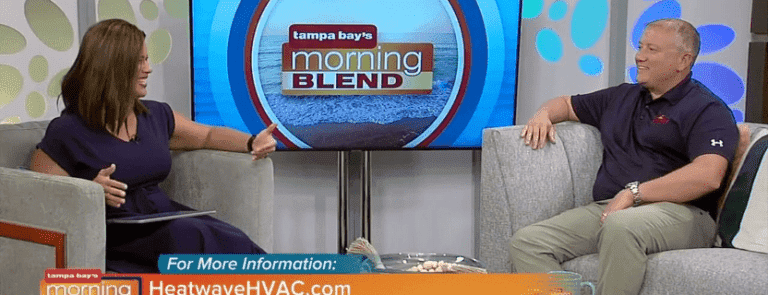
A good service provider should make the process straightforward. Call or request service online, describe the symptom clearly, and ask for a technician who can handle both diagnostics and repair. When a fireplace is acting up, the fastest path to a safe fix is a provider that combines local trust, responsive scheduling, and the right technical skill.