
Water heaters are an essential part of daily life in Pinellas Park, providing hot water for showers, dishwashing, laundry, and more. However, the local climate—characterized by high humidity and hard water—can take a toll on these systems, potentially shortening their lifespan. Fortunately, with the right care and maintenance, you can extend the life of your water heater and ensure it runs efficiently for years to come. In this blog, we’ll cover key tips to help you get the most out of your water heater in Pinellas Park’s unique climate.
1. Regular Maintenance and Inspections
Routine maintenance is crucial for keeping your water heater in top condition. Without regular care, sediment can build up in the tank, reducing efficiency and leading to premature wear. Maintenance tasks such as flushing the tank, inspecting the anode rod, and checking for leaks can help prevent these issues and extend the life of your system.
Key Maintenance Tasks:
- Flushing the tank: Over time, minerals and sediment can settle at the bottom of the tank, causing corrosion and reducing heating efficiency. Flushing the tank at least once a year helps remove these deposits.
- Checking the anode rod: The anode rod protects the tank from rust and corrosion by attracting corrosive elements. Inspecting and replacing this rod every 3-5 years can prevent rust and extend the tank’s lifespan.
- Inspecting for leaks: Regularly check for any signs of leaks around the tank and connections. Small leaks can lead to bigger problems if not addressed promptly.
Professional Inspections: Scheduling annual inspections with a professional plumber can help identify and address potential issues before they turn into costly repairs. Heatwave’s plumbing services include comprehensive water heater maintenance to keep your system running smoothly.
In the next section, we’ll discuss how adjusting your water heater’s temperature settings can improve efficiency and reduce wear and tear. Stay tuned!
2. Adjust the Temperature Settings
The temperature setting on your water heater can have a significant impact on its efficiency and longevity. While it might be tempting to set your water heater to a higher temperature for extra-hot showers, doing so can cause unnecessary wear and tear on the system, leading to a shorter lifespan and higher energy bills.
Recommended Temperature Settings:
- The ideal temperature setting for most water heaters is around 120°F. This setting provides sufficient hot water for everyday use while reducing the risk of scalding and minimizing energy consumption.
- Higher settings (above 120°F) can accelerate corrosion and mineral buildup, particularly in Pinellas Park’s hard water conditions. This can strain the heating elements and other components, increasing the likelihood of breakdowns.
How to Adjust Your Water Heater’s Thermostat:
- Locate the thermostat: For electric water heaters, the thermostat is usually located behind an access panel on the side of the tank. Gas water heaters often have a dial near the bottom of the unit.
- Adjust the temperature: Use a flathead screwdriver for electric heaters or simply turn the dial on gas heaters to adjust the temperature. Set it to the recommended 120°F mark and wait a few hours to check if the water is at a comfortable level.
- Test the temperature: Run hot water from a faucet and use a thermometer to ensure the water reaches the desired temperature.
By keeping your water heater’s temperature at an optimal level, you can reduce strain on the system and lower your energy costs, while still enjoying hot water whenever you need it.
For more information on maintaining your water heater and keeping it efficient, check out our water heater services at Heatwave Heating, Cooling, Plumbing & Electric. Up next, we’ll explore the benefits of insulating your water heater and its pipes in Pinellas Park’s climate.
3. Insulate the Water Heater and Pipes
Insulating your water heater and its connecting pipes is an effective way to improve efficiency and extend the system’s lifespan, especially in the fluctuating temperatures of Pinellas Park. Insulation helps retain heat, reduces energy usage, and minimizes the strain on your water heater as it works to maintain the desired temperature.
Benefits of Insulating Your Water Heater and Pipes:
- Reduces heat loss: Insulating your water heater tank and hot water pipes reduces heat loss, allowing the system to maintain hot water longer without working as hard. This can lead to lower energy bills and less wear on the heating elements.
- Prevents condensation: In humid climates like Pinellas Park, condensation can form on cold water pipes, potentially leading to corrosion over time. Insulation helps prevent this condensation, protecting the pipes and extending their lifespan.
- Improves hot water delivery: Insulated pipes reduce the time it takes for hot water to reach your faucets, improving your overall comfort and convenience.
Tips for Insulating Your Water Heater and Pipes:
- Choose the right insulation materials: Use a fiberglass insulation blanket specifically designed for water heaters, and ensure it is properly fitted around the tank without covering any important components like the thermostat or burner access panels.
- Insulate hot water pipes: Use foam pipe insulation sleeves that match the diameter of your pipes. Secure them with tape or zip ties, especially at the joints and corners, to ensure complete coverage.
- Check for proper clearance: When insulating gas water heaters, ensure there is enough clearance around the draft hood and flue to avoid fire hazards.
Proper insulation can make a noticeable difference in the efficiency and longevity of your water heater. For professional assistance with insulation or other maintenance tasks, explore Heatwave’s heater maintenance services.
Next, we’ll discuss how addressing hard water issues in Pinellas Park can further protect your water heater and enhance its performance. Keep reading!
4. Address Hard Water Issues
Pinellas Park is known for its hard water, which contains high levels of minerals like calcium and magnesium. While these minerals are not harmful to your health, they can cause significant issues for your water heater. Over time, mineral buildup can accumulate inside the tank, reducing heating efficiency, increasing energy consumption, and ultimately shortening the lifespan of your water heater.
Impact of Hard Water on Water Heaters:
- Mineral buildup: Hard water minerals settle at the bottom of the tank, forming a layer of sediment that insulates the water from the heating element. This forces the heater to work harder and longer, leading to increased wear and energy costs.
- Reduced capacity: Sediment buildup can also reduce the tank’s capacity, meaning less hot water is available when you need it.
- Corrosion and damage: Minerals can corrode the tank’s interior, leading to leaks and potential tank failure if not managed properly.
Solutions for Managing Hard Water:
- Regularly flush the tank: Flushing your water heater every six months helps remove accumulated sediment. This simple maintenance task can significantly reduce the impact of hard water on your system’s performance.
- Install a water softener: A water softener can help reduce mineral content in your home’s water supply, preventing buildup in the first place. This can protect your water heater and other appliances, extending their lifespan.
- Use a descaling solution: If installing a water softener isn’t feasible, consider using a descaling solution specifically designed for water heaters. This helps break down and flush out mineral deposits, keeping your system clean and efficient.
Addressing hard water issues is essential for maintaining the health of your water heater in Pinellas Park. For expert assistance with water heater maintenance and descaling, visit Heatwave’s water heater services.
Next, we’ll explore the benefits of upgrading to a tankless water heater as an alternative solution for extending the life of your water heating system. Let’s keep going!
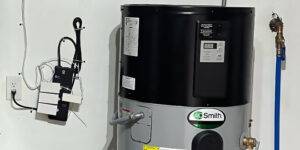
5. Consider Upgrading to a Tankless Water Heater
Upgrading to a tankless water heater is an excellent option for extending the life of your water heating system, especially in areas like Pinellas Park where energy efficiency and space savings are key considerations. Unlike traditional water heaters that store and continuously heat a large tank of water, tankless models heat water on demand, providing several benefits that can enhance performance and longevity.
Advantages of Tankless Water Heaters:
- Longer lifespan: Tankless water heaters typically last up to 20 years, nearly double the lifespan of traditional tank heaters. This is due to their design, which avoids issues like tank corrosion and sediment buildup.
- Improved efficiency: Tankless systems are more energy-efficient because they only heat water when needed, reducing energy consumption and utility bills. This can be especially beneficial in the warm climate of Pinellas Park, where high-efficiency systems are valued.
- Space savings: Without the need for a bulky storage tank, tankless water heaters free up valuable space in your home. They can be installed on walls or in compact spaces, making them a versatile option for any home layout.
- Endless hot water: Because they heat water on demand, tankless heaters provide a continuous supply of hot water, which means you won’t run out during long showers or when multiple appliances are in use.
Factors to Consider When Upgrading:
- Installation cost: While the upfront cost of a tankless water heater is higher than that of a traditional model, the investment pays off over time through lower energy bills and reduced maintenance costs.
- Sizing: It’s important to choose a tankless water heater that matches your household’s hot water needs. A professional can help assess the appropriate size and capacity to ensure consistent performance.
- Professional installation: Proper installation is crucial for optimal performance. Rely on professionals, like those at Heatwave Heating, Cooling, Plumbing & Electric, to handle the installation and ensure your system is set up correctly.
Upgrading to a tankless water heater can be a game-changer for your home, offering both immediate and long-term benefits. If you’re considering making the switch, contact us for expert advice and installation services.
Conclusion
Extending the life of your water heater in Pinellas Park’s climate requires a combination of regular maintenance, temperature management, insulation, and addressing hard water challenges. Whether you’re looking to maintain your current system or explore the benefits of a tankless upgrade, taking these proactive steps can help you enjoy reliable hot water and lower energy costs for years to come.
For all your water heater needs, trust Heatwave Heating, Cooling, Plumbing & Electric. Our team is dedicated to providing high-quality maintenance, repairs, and installation services to keep your home comfortable and efficient. Explore our full range of services and schedule an appointment today to ensure your water heater is ready to handle Pinellas Park’s unique climate challenges.