
You're standing in the bathroom hearing that awful sound, water still running when it should've stopped, and the bowl is creeping higher instead of draining. That moment can feel like a full-blown disaster, but most overflowing toilets have a clear cause and a clear first move. Stay calm, stop the water, and you can usually keep a bad situation from becoming a bigger one.
If you're also seeing damp flooring or water near the baseboards, a guide like Western Bathroom Renovations leak guide can help you think through where the moisture is spreading while you handle the toilet itself. The goal right now is simple, protect the floor, identify the source, and decide whether this is a clog, a tank issue, or something deeper in the plumbing.
That Sinking Feeling A Toilet That Just Won't Stop Filling
The panic hits fast. You flush, the water rises instead of dropping, and then it keeps climbing like the toilet has a mind of its own. In that moment, the risk isn't just the mess, it's how quickly clean water can turn into floor damage, especially if the overflow keeps feeding for another minute or two.

A toilet overflow usually isn't random. Plumbing guidance consistently points to a clog in the trapway, drain line, or main sewer line as the most common trigger, and blocked vent pipes or tank-component failures can also play a role. Modern toilets can move up to 1.6 gallons per flush HomeFixx, so a second flush on a blocked bowl can add a full tank load to an already overwhelmed fixture.
Practical rule: Don't keep testing a toilet that's rising. One extra flush can turn a manageable clog into water on the floor.
A lot of homeowners assume the toilet itself “failed.” More often, something is obstructing the path or the tank is feeding too much water into the bowl. If sewage shows up in a tub, shower, or floor drain too, that points past the bowl and toward a branch drain or main sewer line HomeFixx.
First Steps Stop the Flood Immediately
Your first job is to stop more water from entering the toilet. That comes before plunging, before removing the lid, and before trying another flush. Every second matters once the bowl starts rising.

Do these three things in order
- Turn off the water supply. Find the shutoff valve behind the toilet, usually low on the wall, and turn it clockwise until it stops. Plumbing guidance from multiple sources says this is the fastest way to cut off the refill cycle Benjamin Franklin Plumbing.
-
If the tank keeps refilling, stop it manually. Take the lid off and lift the float or close the flapper by hand if you can reach it safely. That interrupts water flow even if the valve is sticky or the tank mechanism is stuck open Benjamin Franklin Plumbing.
-
Remove water that's already in the bowl. Use a small cup or container to bail out enough water so it won't spill when you work. Put towels down around the base right away so any drips stay contained.
Shut off the supply first, then deal with the bowl. If you plunge before stopping the refill, you're working against a fresh tank load every time.
If the valve won't turn, don't force it so hard that you snap it. Close the tank flapper if you can, then move to cleanup and diagnosis. The point is to stop the overflow fast, not to win a fight with old plumbing hardware.
Decoding the Overflow The Most Common Culprits
Most overflowing toilets are blocked toilets. Independent plumbing guidance estimates clogged pipes are behind the problem about 90% of the time Dans Plumbing FAQ. That fits what plumbers see every day, paper, wipes, hygiene products, cotton swabs, toys, and other non-flushable items all create the same basic outcome, water can't move through the system fast enough.

What usually blocks the flow
A trapway clog is the classic one. The S-shaped passage inside the toilet is narrow by design, so too much paper or a foreign object can stop the flush in one move. Once that passage is narrowed, the bowl fills faster than it can drain.
A drain-line blockage sits deeper. The toilet may look like the only problem, but the obstruction can be in the branch drain or even farther down the main sewer line. HomeFixx notes that when sewage appears in other fixtures, the blockage is likely beyond the toilet itself HomeFixx.
A blocked vent pipe is less obvious but just as real. Plumbing guidance says blocked vents keep air from entering the system, which disrupts drainage and can force waste back toward the bowl ARS. If the toilet gurgles or other nearby fixtures act strangely at the same time, venting deserves suspicion.
If you're already dealing with soaked flooring, it helps to think about the next repair step too. A local guide on repairing water damaged floors in Cumming is a good reminder that water damage cleanup gets harder the longer moisture sits.
Field clue: One slow toilet is often a bowl clog. Multiple slow drains at once usually means the problem is farther out in the system.
Your DIY Toolkit How to Safely Unclog Your Toilet
Start with the right tool. A flange plunger is the one made for toilets, because the soft extension at the bottom seals into the outlet better than a flat-cup plunger. Benjamin Franklin Plumbing specifically notes that a flat-cup plunger seals worse on a toilet outlet and doesn't clear as efficiently Benjamin Franklin Plumbing.
Plunging the right way
Use enough water in the bowl to cover the rubber flange, then set the plunger straight over the drain opening. Push down firmly, pull back slightly, and repeat in short bursts. The goal is to move the blockage, not to churn the whole bowl into a splash zone.
If the first few thrusts do not change the water level, keep the seal tight and work in controlled strokes. A sloppy seal just moves water around the bowl without creating pressure at the blockage. If the toilet is too full, bail a little out first so the plunge does not spill over the rim.
When a toilet auger makes more sense
If plunging does not break it loose, reach for a toilet auger, sometimes called a closet auger. Guide the curved sleeve into the bowl, then crank gently so the cable extends through the trapway. Use light pressure, because the auger is there to break up or hook the clog, not to scrape porcelain.
A few mistakes make this worse fast:
- Using chemical drain cleaner first. Those products are often a poor fit for toilet clogs and can create a messy, hazardous bowl if they sit on top of standing water.
- Forcing the auger hard. That can scratch the glaze or wedge the cable in a bend.
- Flushing too early. Test drainage slowly. One premature flush can bring the overflow right back.
If the toilet clears but still drains sluggishly, stop and reassess. A partial fix often means the clog is deeper than the bowl.
For homeowners who like a simple maintenance mindset, a spring plumbing prep checklist is a useful reminder that slow drains and recurring clogs usually show warning signs before the next emergency.

When It Is Not a Clog Troubleshooting the Tank
If the bowl isn't visibly blocked and the toilet still overflows or keeps running, look inside the tank. That's the part many guides skip, and it's where a lot of mystery overflows start. Independent plumbing guidance notes that failed fill valves, misadjusted floats, and mineral buildup can keep water flowing into the overflow tube even when the bowl itself isn't clogged John Sewer.

What to inspect inside the tank
First, look at the flapper. If it isn't sealing, water keeps leaking into the bowl and the toilet may never settle at the right level. That can make the toilet seem like it's overflowing even when the drain path is open.
Next, check the fill valve and float. Benjamin Franklin Plumbing says the tank water should sit about 1 inch below the top of the overflow tube, and water at or above that point points to fill-valve control trouble rather than a simple bowl clog Benjamin Franklin Plumbing. If the float is set too high, the tank keeps overfilling and dumping water where it shouldn't.
Then inspect the overflow tube itself. If it's cracked, misaligned, or water is spilling into it continuously, the tank needs adjustment or parts replacement. A bit of mineral buildup can also keep internal parts from moving freely, especially in older toilets.
Good test: If the toilet runs by itself after the room is quiet, you're probably dealing with tank hardware, not a hidden clog.
These problems are fixable, but they're different from plunging. The right move is to adjust, clean, or replace the worn part rather than keep attacking the bowl with more force.
Knowing When to Call a Professional Plumber
Some toilet overflows are bigger than a DIY reset. If water shows up in the shower, tub, or floor drains when you flush, you're probably dealing with a main sewer-line obstruction, not a toilet-only clog HomeFixx. If multiple fixtures drain badly at once, that same pattern points away from the toilet and toward the branch drain, main line, or septic system ARS.
Red flags that deserve a plumber
A plunger should not be your last move if the toilet keeps acting up after a few clear attempts. Repeated overflow usually means the blockage is still in the line, or the problem sits deeper than you can reach from the bowl.
- Overflow keeps returning after plunging. That usually means the blockage wasn't fully cleared.
- Other fixtures back up too. A sink, tub, or floor drain that acts up at the same time suggests a broader line issue.
- You hear gurgling or smell sewer odor. Those are signs that air and waste aren't moving normally through the system.
- The tank hardware won't stop feeding water. A stubborn fill valve or float problem can keep the bowl in trouble even when the drain is clear.
- The floor around the toilet feels soft or looks swollen. At that point, the cleanup problem has turned into a repair problem.
Repeated snaking without a lasting fix often means the blockage is deeper than the reachable portion of the line. A plumber can put a camera in the pipe, find the obstruction, and use the right clearing equipment instead of forcing the same section again and again. Delay gets expensive here, because ongoing backups can damage flooring and framing, and the repair gets harder once water has had time to spread.
Heatwave's plumbing team can handle a toilet issue that turns out to be a branch-drain problem, a sewer-line blockage, or a tank part that needs replacement. If you want to see the kind of service customers look for when a repair has to move fast, see our customer service highlights.

Your Trusted Tampa Bay Plumbers at Heatwave
The safest pattern is straightforward. Stop the water, find the cause, fix what you can, and call a pro when the signs point deeper. That keeps panic down and helps you avoid turning a toilet overflow into a floor repair job. It also keeps you from guessing when the problem sits in the tank, the drain, or the sewer line.
Heatwave Air Conditioning, Plumbing & Electric handles urgent plumbing problems across Tampa Bay and Southwest Florida, including toilet clogs, tank failures, and larger drain issues. With nearly 20 years of serving the region, the team brings the tools and experience needed when the overflow will not stay stopped or starts affecting other fixtures. If you are in Tampa, Sarasota, Port Charlotte, Cape Coral, Fort Myers, or nearby, it makes sense to get the problem assessed before the next flush makes it worse.
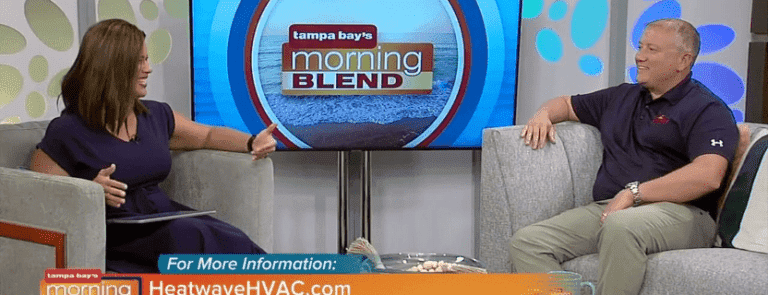
A toilet that keeps overflowing can come down to a clogged trap, a blocked branch line, or a tank part that will not shut off the water. That is why a good diagnosis matters as much as the fix. If you want a look at Heatwave in the local community, see this WFTS News interview with Sarykarmen Rivera from Tampa Bay Morning Blend and the kind of work the team does for local homeowners.
If your toilet is overflowing, running nonstop, or backing up into other fixtures, Heatwave Air Conditioning, Plumbing, & Electric can help with fast plumbing service and practical repairs. Visit Heatwave Air Conditioning, Plumbing, & Electric to get help from a local team that handles clogs, tank issues, and sewer-line problems before the damage spreads.